Insulate Your Home With Installed Secondary Glazing

What is Secondary Glazing?

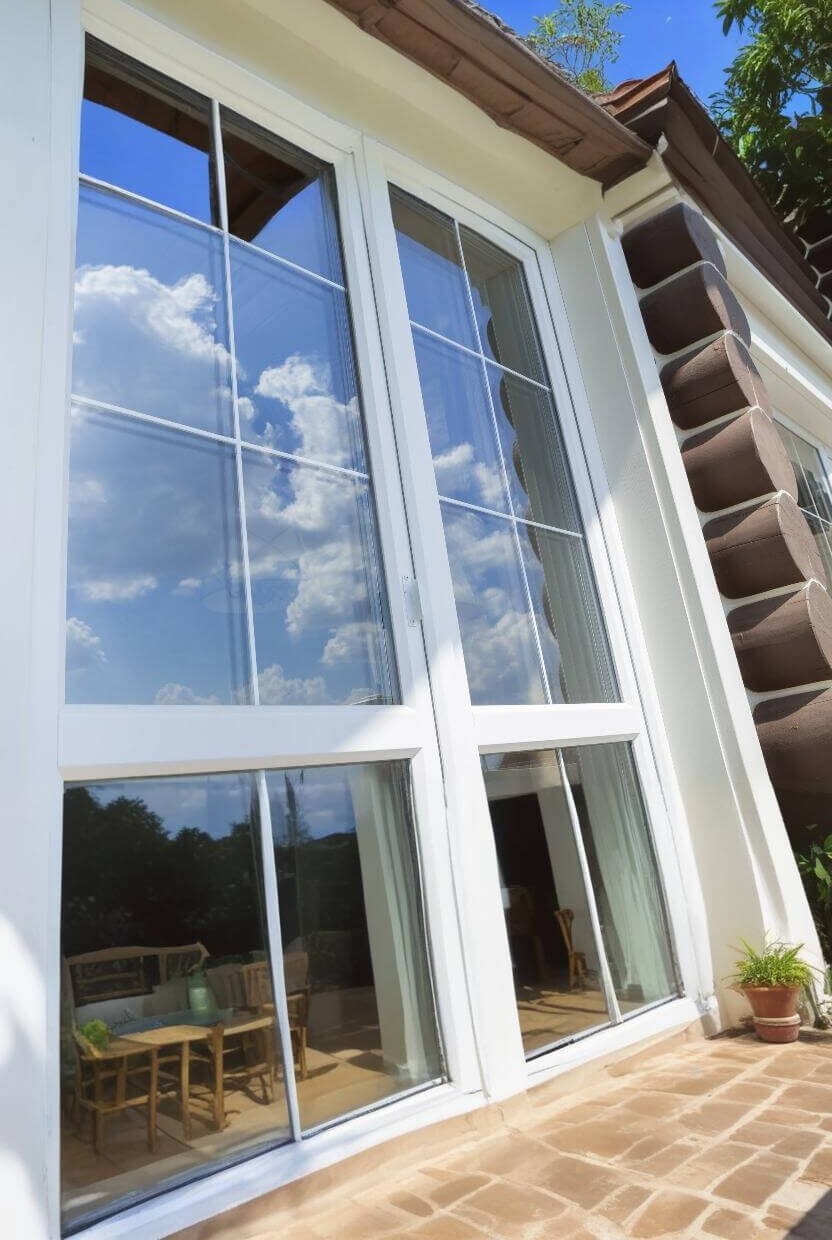
Secondary glazing consists of an additional glazed panel that is fitted to the interior side of an existing window. The original window is left in place while the secondary glazing is installed to the frame inside.

Options for secondary glazing range from simple, DIY plastic-framed solutions that clip onto the window to professionally installed, bespoke glazed units.

This solution is particularly popular among homeowners who wish to retain the original architectural design of their windows, such as those found in listed buildings, or renters who want to add a temporary upgrade that can easily be removed at the end of their tenancy.  

The space between the primary window and the secondary glazing acts as a thermal barrier, delivering two key advantages. Firstly, it helps to minimise heat loss, which is especially beneficial for older properties with lower energy efficiency. Secondly, this gap effectively reduces external noise, often outperforming noise-reduction glass in terms of soundproofing capabilities.

Why Install Secondary Glazing?

  • Enhanced Energy Efficiency – Secondary glazing helps to reduce heat loss, keeping your home warmer in winter and cooler in summer, which can lower energy bills.
  • Improved Noise Insulation: It significantly reduces external noise, making it ideal for properties in busy or noisy areas.
  • Preservation of Original Features – Ideal for listed or heritage properties, as it provides modern benefits without altering the existing windows.
  • Ideal for Renters – If you rent a property with single-pane windows, you can add secondary glazing as a low-price and temporary way to improve your comfort.
  • Condensation Reduction – Helps to minimise condensation on your primary windows, improving indoor air quality and reducing the risk of mould.
  • Cost-Effective Solution: More affordable than replacing windows while offering similar benefits.